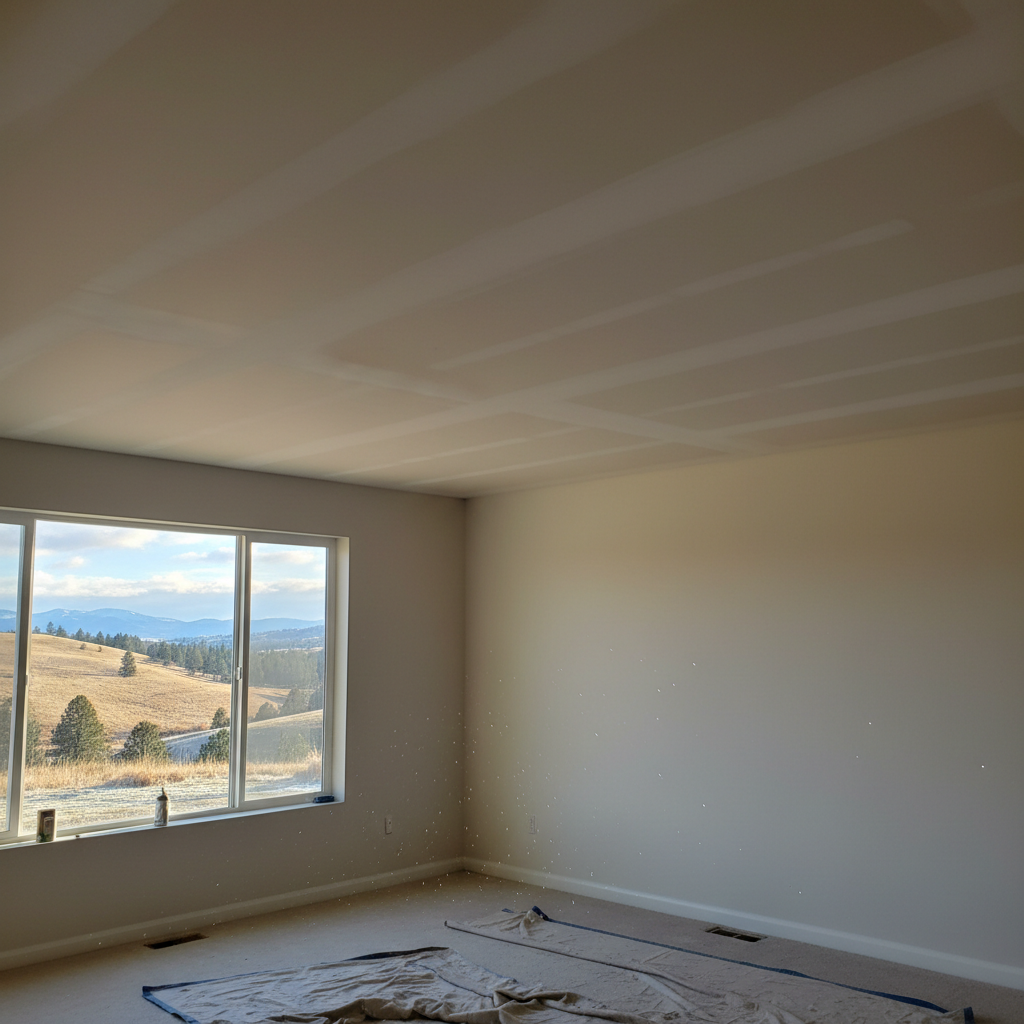
Ever wonder if there's a 'best' time to tackle a big project like putting up new ceiling drywall? Around here in Yakima, with our distinct seasons, the answer is a definite yes. It's not just about when you're free; it's about the conditions in your home and how they'll treat your new ceilings. As someone who's been doing this for years, I've seen firsthand what works and what doesn't.
Why Yakima's Climate Matters for Drywall
Our valley's climate is pretty unique, right? We get those scorching hot, dry summers and then the cold, often damp, winters. This swing in temperature and humidity isn't just uncomfortable for us; it's a big deal for building materials, especially drywall. Drywall is mostly gypsum, which is a mineral that can absorb and release moisture. When it absorbs moisture, it expands a little. When it dries out, it contracts. You can imagine what that does to a perfectly smooth ceiling if it's not installed under the right conditions.
If you install drywall when it's too humid, then the house dries out, you might see small gaps or cracks appear. If it's too dry during installation and then humidity spikes, you could get buckling. That's why understanding our local weather patterns is key.
The Ideal Window for Ceiling Drywall Installation
From my experience, the sweet spot for ceiling drywall installation in Yakima is usually in the spring or fall. Think late April through June, or September through early November. Why these times?
Moderate Temperatures: We're not battling extreme heat or freezing cold. This means your home's internal temperature is more stable, making it easier to maintain ideal conditions for the drywall.
Lower Humidity Swings: Spring and fall tend to have more consistent, moderate humidity levels compared to the bone-dry summer or the sometimes very damp winter. This allows the drywall compound to dry and cure at a steady rate, which is crucial for a strong, smooth finish.
Less Stress on HVAC: Your heating and cooling systems aren't working overtime. This helps keep the indoor environment stable without massive energy bills, which is good for your wallet and the drywall.
Now, does this mean you can't install drywall in July or January? No, not necessarily. But if you do, you've got to be extra diligent about controlling the indoor environment, which often means running your HVAC more consistently and potentially using dehumidifiers or humidifiers.
Weather Conditions to Watch Out For
Even within those ideal windows, you've got to pay attention to the forecast. Here's what I keep an eye on:
Sudden Cold Snaps: If we get an unexpected cold front, especially in spring or fall, it can drop indoor temperatures quickly. Drywall compound cures best above 50°F (10°C). If it gets too cold, the drying process slows down significantly, which can lead to issues down the road.
Rainy Spells: Prolonged rain means higher outdoor humidity, which can creep indoors. If your home isn't sealed up tight, or if you're working in a new build that's not fully enclosed, that extra moisture isn't good for drying mud.
Windy Days: While not directly affecting drywall once it's up, strong winds can kick up dust and debris, which is a pain when you're trying to get a perfectly smooth finish. Plus, if you're getting materials delivered, you don't want them exposed to the elements.
We've done plenty of jobs in the winter, especially in older homes in areas like the West Valley, where folks are upgrading. The key is making sure the house is heated and sealed properly. You can't just rely on ambient conditions.
Protecting Your Drywall Investment Year-Round
Once your beautiful new ceiling drywall is up, you want it to last. Here's how to protect that investment:
Maintain Consistent Indoor Climate: This is probably the biggest one. Try to keep your home's temperature and humidity as stable as possible throughout the year. Avoid drastic temperature swings. If your house gets really dry in the winter, consider a humidifier. If it gets muggy in the summer, use your AC or a dehumidifier.
Address Leaks Immediately: Any water leak, whether from a leaky roof, a plumbing issue, or even a condensation problem in the attic, is drywall's worst enemy. Water causes drywall to soften, sag, and eventually grow mold. If you see a water stain, don't wait. Get it fixed.
Proper Ventilation: Especially in bathrooms and kitchens, make sure you're using exhaust fans. This helps remove moisture from the air before it can settle into your drywall.
Regular Inspections: Every now and then, just take a good look at your ceilings. Are there any new cracks? Any discoloration? Catching small issues early can prevent them from becoming big, expensive problems.
Getting your ceiling drywall done right means thinking beyond just hanging the boards. It's about understanding our local environment and planning accordingly. When you work with a local company like Yakima Drywall Company, you're getting folks who know these conditions inside and out. We've been through enough Yakima seasons to know what it takes to give you a ceiling that'll look great for years to come.