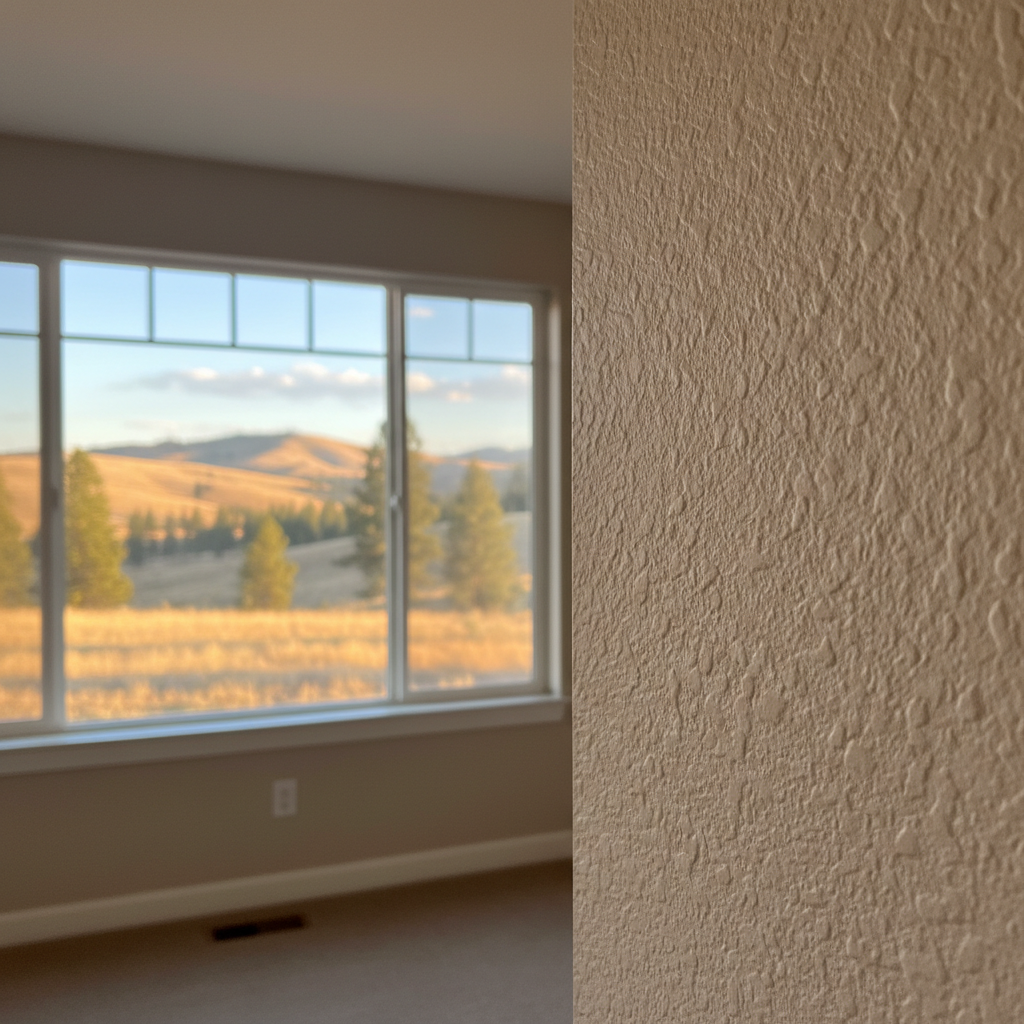
So, you've got some new drywall up, or maybe you're just tired of those plain, flat walls. Texturing can really change the look and feel of a room, adding character and hiding minor imperfections. But here's the thing: while some textures are pretty forgiving for a DIYer, others are best left to folks who do this every day. Let's break down what you need to know before you start slinging mud.
Before You Start: Prep is Everything
You wouldn't build a house on a shaky foundation, right? Same goes for texturing. Your drywall needs to be clean, dry, and properly prepped. That means all your seams are taped and mudded smooth, screws are set, and any holes are patched. You don't need a perfect level 5 finish for texture, but you can't texture over big bumps or gaps. Those will just show through, and you'll regret it.
Next, prime the whole surface. Seriously, don't skip this. Primer seals the drywall and gives your texture something consistent to stick to. It also helps prevent the drywall from sucking the moisture out of your texture mud too quickly, which can make it hard to work with and lead to cracking. For a lot of homes around the West Valley, especially those older ones, you might be dealing with some pretty porous drywall if it's been exposed for a while. A good primer evens that out.
Gather your tools. Depending on the texture you're going for, you might need:
- Drywall mud (all-purpose or topping compound, depending on the texture)
- A hawk and trowel or a mud pan and knife
- Texture roller, stomp brush, or spray rig
- Drop cloths, painter's tape, and plastic sheeting (you'll make a mess, trust me)
- A drill with a mixing paddle
- Buckets for mixing
Make sure your workspace is clear. Move furniture, cover floors, and tape off anything you don't want textured, like trim, windows, or doors. This isn't a neat job, no matter how careful you are.
During the Project: Which Textures Are DIY-Friendly?
Alright, let's talk textures. Some are definitely easier for a homeowner to pull off than others. If you're new to this, start simple.
- Knockdown: This is a popular one, and it's doable for a DIYer. You spray or roll on a thick coat of mud, let it set up a bit (flash off, we call it), then lightly